Work
How to make the sales team not hate you
Marketing and sales hate each other on principle. In B2B SaaS, it's mostly about leads.
| Company | Lemontech, legal tech SaaS in Latin America |
| When | Roughly 2018 to 2022 |
| Me | Marketing's counterpart in the revenue team |
| Before | Sales on Salesforce, marketing on HubSpot |
| After | Everyone on HubSpot, with a pipeline built on milestones |
- CRM migration
- Process mapping
- Reporting
- Salesforce
- HubSpot
- Sales training
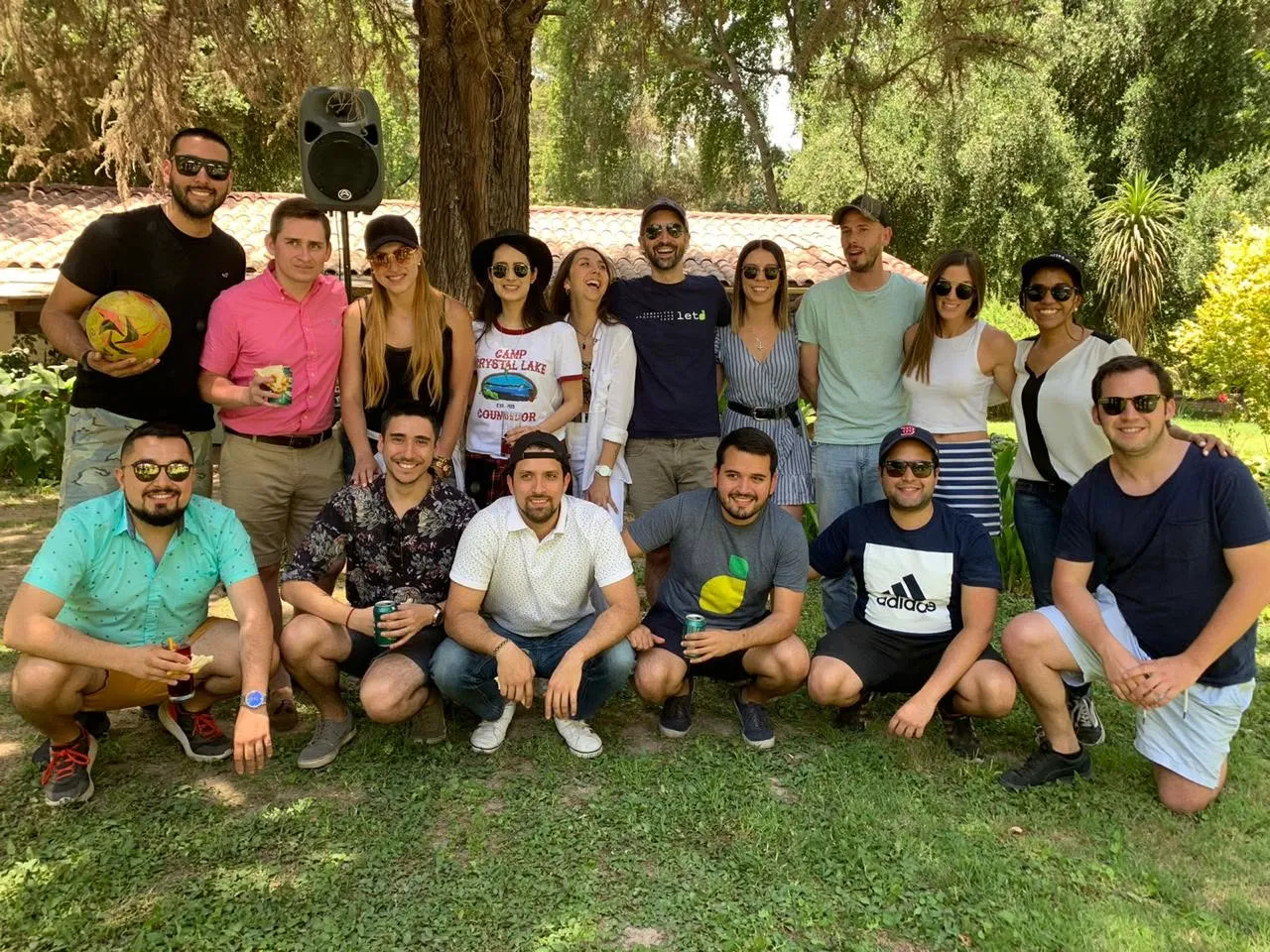
The fight
This comes from a fight, because marketing and sales are always fighting about the leads, and we were having this fight with sales the whole time. Our tracking wasn't bad, actually, because I was in charge of that. Most of our data was accurate, but we found that some people were changing fields. For example, if a lead came from email marketing, they were changing it to outbound or whatever.
I remember the head of marketing and the head of sales were meeting every two weeks to review all the leads, because they were stealing MRR from us. Anyway, I don't want to give shit to salespeople, because it's not like that. But this was a huge problem. I also realized that the sales team was struggling a lot with the CRM updates and all that stuff.
Fewer fields, more automation
The first thing I did was sit with each one of them, look for information that was useless and information that was relevant but wasn't there, and try to minimize the number of fields they had to fill every time they went to a meeting or were prospecting.
The second thing: we could get a lot of information from what we already had. If a prospect came from an email marketing campaign, then that was inbound, marketing origin, email channel, and whatnot.
For example, if the campaign was an ebook like “how to stop putting your hours on paper and track your time”, we knew it was an email marketing campaign, and we could fill in the rest of the CRM. They were simple automations, but they saved the team a lot of time.
Two CRMs is stupid
In 2018 we decided to go all inbound. We didn't know it at the time, but that paid off a lot, because in 2020 we had the pandemic and our inbound machine was already set up. 2020 was by far our best year as a team, because suddenly all the lawyers were online.
The sales team was using Salesforce, but for the inbound strategy we implemented HubSpot. So I was sending information from Salesforce to HubSpot and from HubSpot to Salesforce. After a while, and a lot of workflows and automations, we realized it was so stupid to have two CRMs.
It was a huge project, and I was the counterpart of the revenue team (sales and marketing, at that time). Because I was the one spending the most time in Salesforce and HubSpot, I helped clean it a lot: which properties should be migrated from Salesforce to HubSpot, which were redundant, and which could be deleted. I also trained the whole sales team on HubSpot.
Why HubSpot? It wasn't my call, but I think it was a natural decision: sales could move to HubSpot, but marketing couldn't move to Salesforce. We couldn't replicate everything we had in HubSpot. And HubSpot has a customer success module, so they could put all the teams in one CRM.
A pipeline built on milestones
In that process, I sat down with the sales manager, and by then I knew the proper way to put your sales process on the CRM. We mapped it together and optimized it, because some stages were useless and weren't giving us any relevant information.
For example, “following up” was a stage. That's useless, because you should always, always be following up. It says nothing about where the prospect actually is.
So we cut a lot of the middle stuff and focused on the milestones. That also helped the account executives, because they knew what to do to push a prospect from one stage to the next.
| 01 | First contact |
| 02 | Call done |
| 03 | Meeting booked |
| 04 | Meeting done |
| 05 | Proposal sent |
| 06 | Money in the bank. It used to be “contract signed”, but some people signed and never paid. |
| Cut | Following up. You should always be following up. |
After
I also taught the whole sales team how to draw infographics, and they started getting more engagement on their proposals. I don't have numbers, but I remember getting a lot of very nice compliments on that one.
Because of all this, the sales guys started to appreciate us a lot more. They knew that we marketers were helping them move prospects from one stage to the next, not only producing inbound content but actively helping the sales team.
After the migration I stayed a couple of months, and then I moved on. My time there was done.

Need a redesign? A website your team can edit by themselves? Or both?
That's what I do. Tell me about your website.